Denny Abbey
Denny Abbey
A unique Grade I listed building, packed with features that tell the stories of its former inhabitants.
Discover MoreDenny Abbey is the only religious site in England to have been occupied at various times by three different monastic orders.
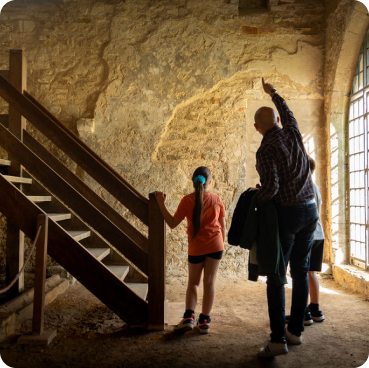
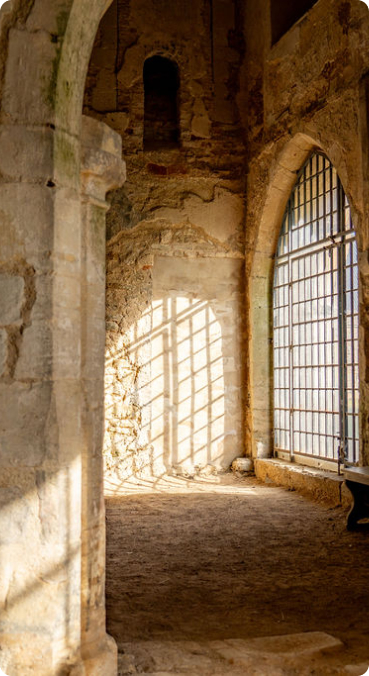
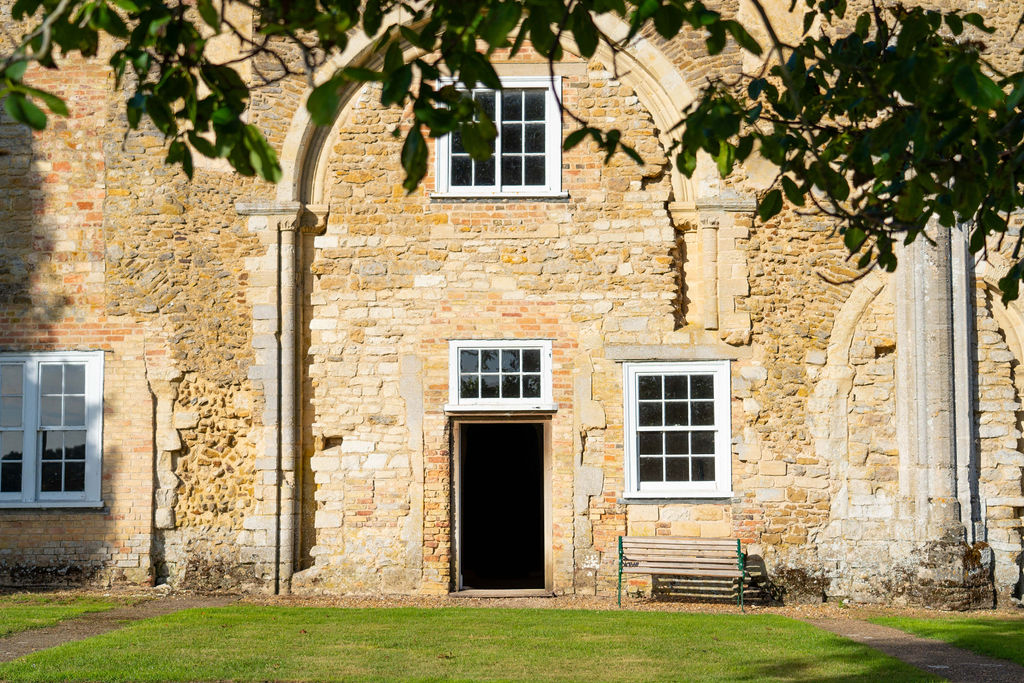
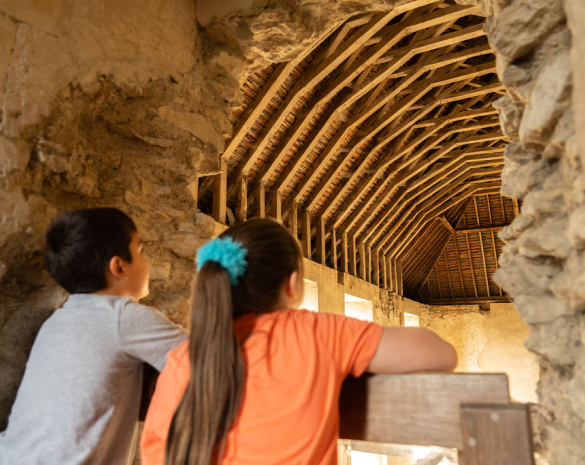
Today Denny Abbey is an architectural jigsaw of windows, blocked doorways and arches. This was not how it began – as those who lived here changed, so did its purpose. As a result, Denny Abbey evolved to tell the stories of the people who occupied it.
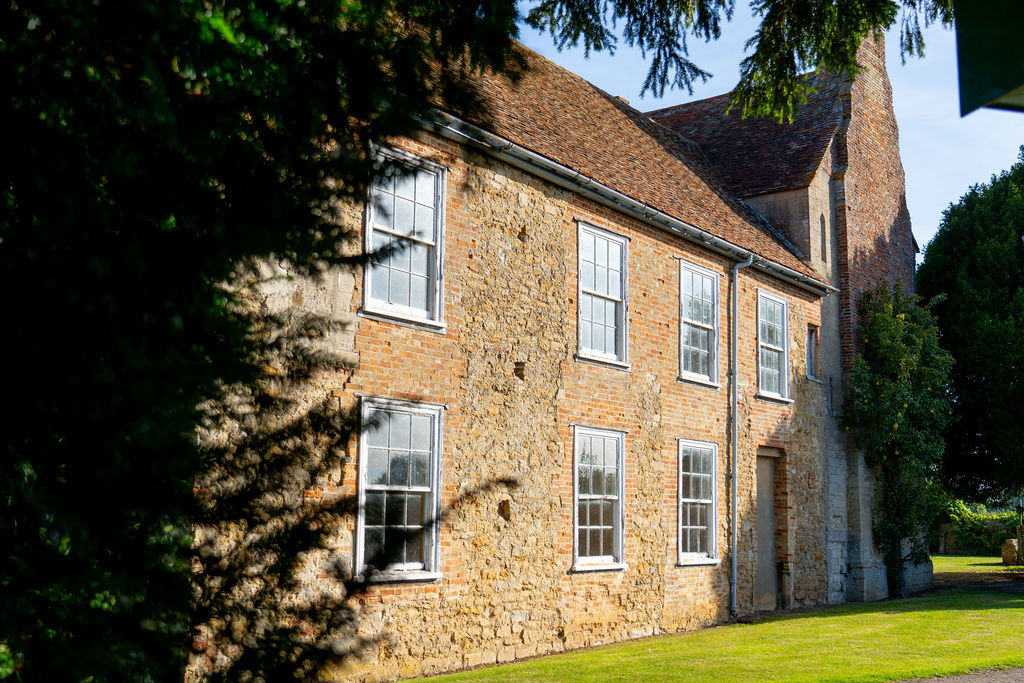
During its 850 years, the building has been a Benedictine priory, a Templar retirement home, Poor Clare Nunnery and a working farmhouse!
History
Denny Abbey is in the guardianship of English Heritage and managed by The Farmland Museum. For more in-depth information about the owners and occupants of the site, visit English Heritage’s History Page
The first monastic settlers at Denny were the Benedictine monks. The monastery was founded in 1159 by Robert, Chamberlain of Conan IV, Duke of Brittany and Earl of Richmond.
The building was home to the Benedictine Monks for ten years. However, for reasons unknown, the priory did not thrive and the monks returned to Ely in 1170.
In 1170, the process of transferring the site to the Knight’s Templar began. This was completed in 1177 and required consent from King Henry II and Pope Alexander III.
The monastery became a Templar preceptor and a retirement home for the aged and infirm members of the order.
In 1308, the Templars had fallen out of favour with King Edward II and on the 10th January, the Denny Templars were arrested and taken to Cambridge Castle and then transferred to the Tower of London to await trial. Over the next three years, the Denny Templars were sent to the custody of various bishops ‘to place in certain monasteries to do penance’.
The third religious order to occupy Denny was that of the Franciscan Nuns, also known as the Poor Clares. Their patron and founder of this church was Mary de Valence, the Countess of Pembroke. The Countess converted the original church into her private apartments and built a new church, refectory, dormitories, cloisters and other buildings.
Life at Denny in the 1300s-1400s, would have been busy as it was home to a large community of nuns and several chaplains. At this time, abbeys were not just religious centres, but occupants were also managers of large agricultural estates. There would have been a considerable community here, including servants and farm workers.
In 1512, Elizabeth Throckmorton was elected abbess and would end up being the final abbess of Denny Abbey. By 1539, the nunnery had been forcibly closed due to the Dissolution of the Monasteries and the community had dispersed. Abbess Throckmorton retired to her home at Coughton Court, Warwickshire where she was joined by a small number of her order.
The Dissolution of the Monasteries in 1536 marked the end of religious life at Denny, and by 1538, all the nuns had departed. The land was sold to Edward Elrington, an Essex property speculator, who began to dismantle the site. Many of the buildings were destroyed, and the stonework was either reused, for example, to build The Stone Barn, or was sold. The Countess of Pembroke’s apartments were already being used as a private residence and therefore survived. The Nuns’ Refectory was preserved, as it could be converted for agricultural use, but the remainder of the site was lost.
The estate subsequently passed through the hands of many generations of landowners and tenants. One notable figure was Thomas Hobson (1544 -1644),a famous postal carrier from cambridge. His refusal to let his customers choose which horse to hire led to the phrase ‘Hobson’s choice’. Ultimatley, the final farming owners of Denny were the Dimock family who then transferred the land to Pembroke College. The College then entrusted the estate to the Ministry of Works, now English Heritage.
Explore Denny Abbey and The Farmland Museum
What else will you see on your visit?
Return to Discover to learn more